

A Future That Fits: Supporting the Next Step After School
Kirstie McRobert, Team Lead at our Gate service, discusses next steps after school for young neurodivergent people.
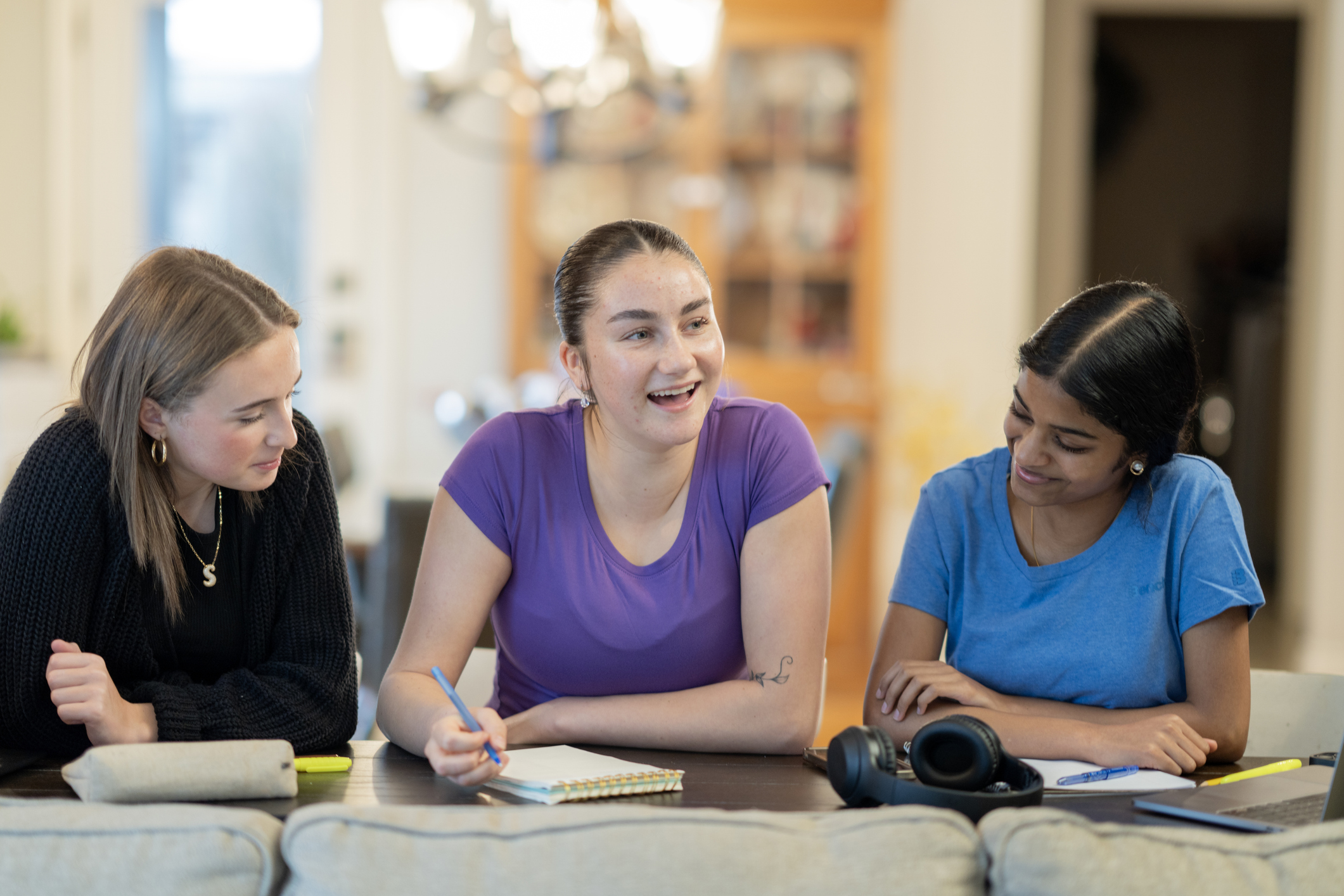 The transition from school into adulthood is a significant milestone. But for many young people with additional support needs or who are neurodivergent, and for their families, it can feel uncertain, complex, and overwhelming.
Young people and families often tell me it can feel like stepping into the unknown.
It brings a shift not just in environment, but in systems, expectations, and support. The structure and routine of school, along with trusted relationships and consistent guidance, can quickly fall away. In their place is a landscape that can feel fragmented and difficult to navigate.
Schools, transition teams, and social workers play a vital role in supporting this process, and they do this with commitment, care, and expertise. Across the system, many professionals are working hard to help young people plan their next steps and access the right support.
But even with that support, this is a complex transition, with families often asking the same question: what happens next?
They are managing multiple conversations, navigating different services, and trying to make sense of changing eligibility, unfamiliar systems, and unclear pathways. Adult services operate differently and options can feel limited. Timelines don’t always align.
And for young people, the impact is deeply personal.
Leaving school isn’t just about moving on from education. It can mean losing structure, routine, friendships, and a sense of stability. Without the right support in place, it can lead to uncertainty, anxiety, and a lack of clear direction at a critical point in their life.
Leaving school shouldn’t mean losing your way.
With the right support, this important stage can look very different. It can be a time to build confidence, develop skills, and explore meaningful next steps at a pace that works for each young person.
Our Gate support service exists to make that possible by offering structured, personalised support for neurodivergent young adults at a point where it matters most. In a safe, neuro-inclusive environment, young people don’t just attend, they build skills for life. From communication and confidence to everyday independence and real-life experiences, each step is supported and purposeful.
It’s about more than activities. It’s about outcomes.
Before Gate, many young people and families describe feeling unsure, isolated, and overwhelmed. After engaging with the right support, confidence grows, wellbeing improves, and the future begins to feel clearer and more achievable. Young people build friendships, develop independence, and start to see a path that fits who they are.
For families and professionals, that support matters just as much. Navigating post-school options can feel complex and, at times, isolating. That’s why the Gate team works alongside families, schools, and social workers to create joined-up, realistic pathways into adulthood with support that understands what comes next.
A future that fits doesn’t happen by chance. It happens when the right support is in place at the right time. Young people shouldn’t be pressured to take the expected next step: every young person deserves the chance to take the step that feels right for them.
Kirstie McRobert is the Team Lead at the Gate service provided by The Donaldson Trust, the National Body for Neurodiversity.
If your young person is leaving school in June and you’re wondering what the next step is for them, come along to our Open Evening on Thursday 18th June, 5-7pm. Register here.


