

There is no wrong path – and no single measure of success
Exam results week remains one of the most visible markers of success in Scotland’s education system.
Each year, we rightly celebrate the effort and attainment of young people who have worked towards formal qualifications. For many, these results open doors to further education, training and employment.
But this week should also prompt a more fundamental question: how do we define success, and who does our current system work for?
The reality is that a one-size-fits-all model of education is no longer fit for purpose. As conversations during #NoWrongPath week highlight, there is no single pathway to a positive destination, yet our system continues to rely heavily on narrow measures of attainment to define achievement.
This matters even more in the context of rising numbers of pupils identified with additional support needs (ASN) across Scotland – latest annual figures reveal that 43% of students are categorised as ASN, approximately 299,445 children.
Neurodivergence is not a marginal issue within education, it is a central one as classrooms are increasingly diverse in how young people think, communicate and experience the world. Yet the structures and success measures surrounding education have not evolved at the same pace.
Working within a school community supporting neurodivergent children and young people with additional support needs, I see daily evidence that achievement is broader, less linear and often less visible than traditional metrics suggest. Progress is not always captured in grades or certificates. It can be seen in a young person communicating their needs for the first time, building the confidence to enter a classroom, or learning to regulate their responses in unfamiliar situations.
Too often, wellbeing is treated as something separate from learning, an additional programme that sits alongside the curriculum. In reality, the relationship is far more direct and wellbeing is the foundation on which all learning is built. A young person who does not feel safe, understood or supported is significantly less able to engage in education. Before attainment can be realised, there must be a sense of security, connection and trust.
If we continue to define success primarily through attainment, we risk overlooking the very conditions that make learning possible, particularly for neurodivergent pupils. A broader framework is needed, one that recognises confidence, communication, resilience and self-management as core outcomes, not optional extras.
At the Sensational Learning Centre, this thinking shapes our integrated approach to curriculum design. Alongside academic learning, there is a deliberate focus on meta-skills such as communication, collaboration, creativity and self-management. These capabilities are essential for navigating further education, employment and community life, and they often represent the most meaningful areas of growth for young people with ASN.
The question of pathways is equally critical. University is one route, but it is not the only marker of success. College, apprenticeships, supported employment and community-based opportunities all have value. Many journeys will evolve over time, combining different experiences along the way.
What matters is not prescribing a single route, but ensuring that each pathway is informed, realistic and aligned with the individual. That requires coordinated support, across education, families and partner agencies, to prevent young people falling between systems that are too often fragmented.
Behind every set of exam results is a wider story. One that may include barriers overcome, trust built, anxiety managed and confidence developed long before formal learning could fully take place. Qualifications may be the visible outcome, but they rarely capture the full extent of achievement.
This results week should not only be a moment of celebration, but a moment of reflection, and not only on what young people have achieved, but on how we recognise and value that achievement.
If we are serious about equity and inclusion, we must move beyond a one-size-fits-all definition of success. Education must reflect the diversity of pupils it serves by recognising different starting points, different strengths and different pathways. When we broaden how we define success, we do more than change outcomes.
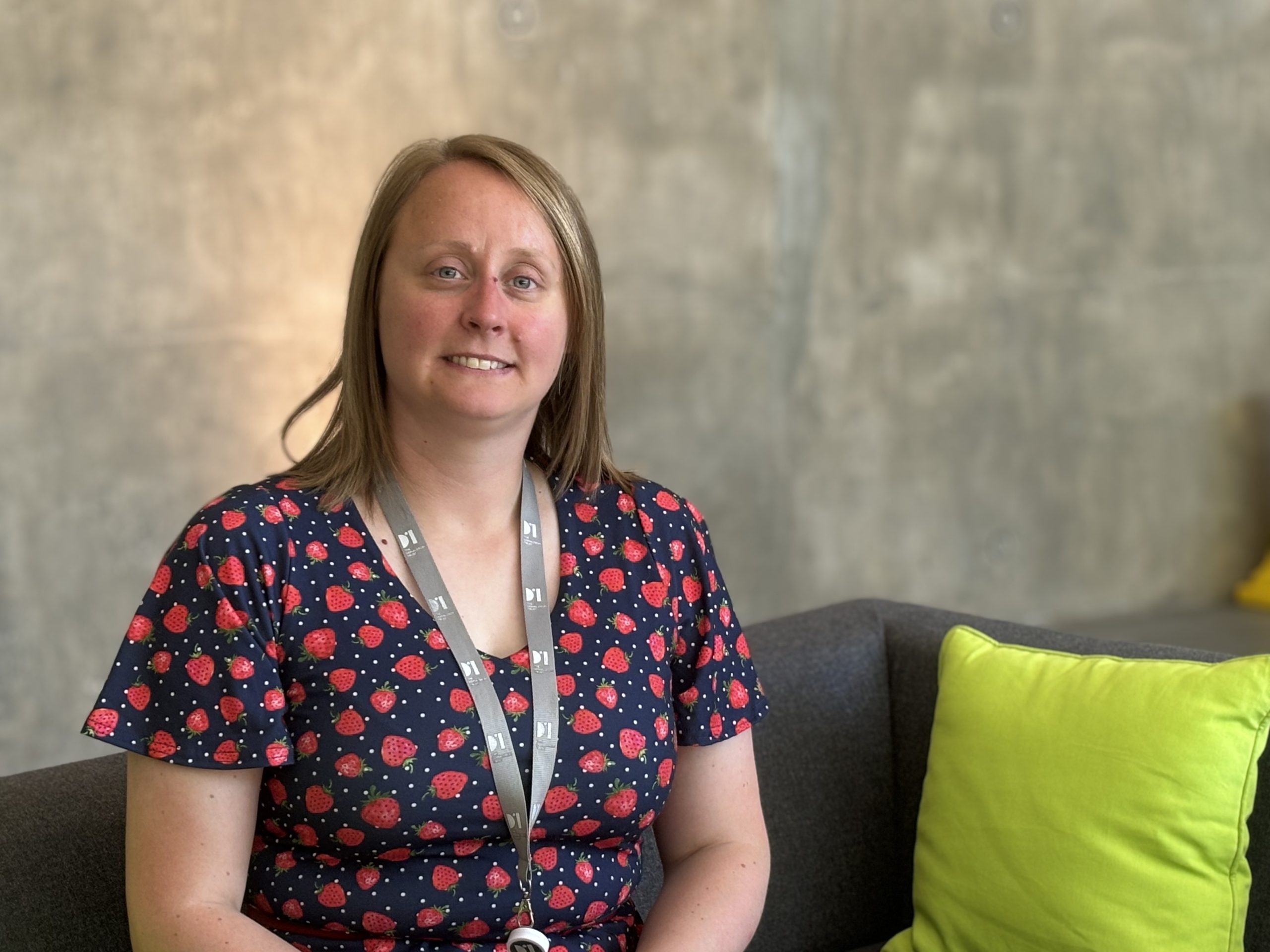
Angela Evans is the Head of Learning Services at The Donaldson Trust, The National Body for Neurodiversity


