

When a learner struggles to access learning, where do we look first?
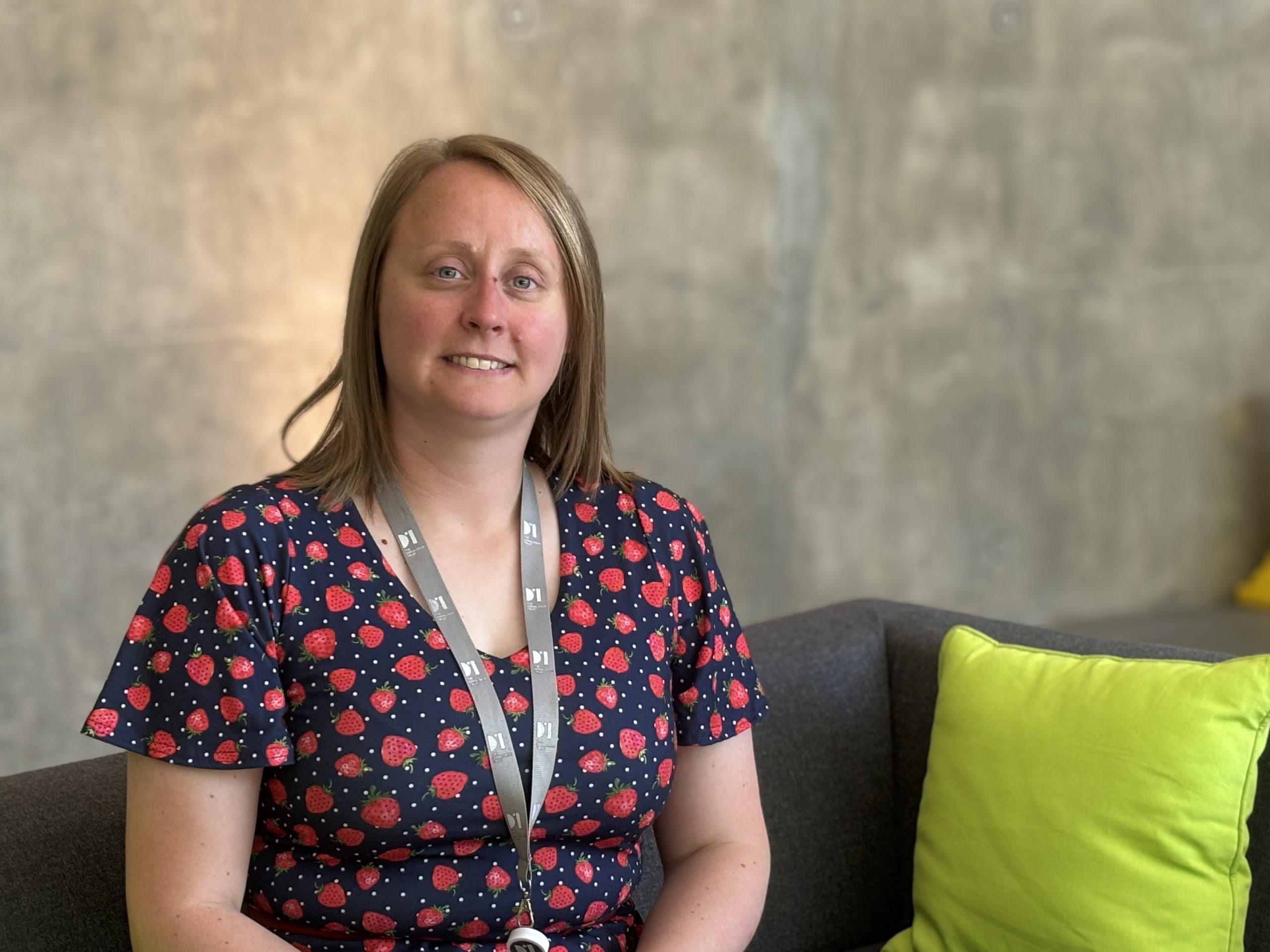
One of the most thought-provoking questions following my recent presentation at Holyrood Insight’s Additional Support for Learning Scotland Conference was about how the practice I described might influence approaches more widely across Scotland.
While I cannot recall the exact wording, the essence of the question was clear: how can the thinking underpinning The Donaldson Trust’s approach become more widely understood, adopted and reflected in practice?
It was an important question because the approach I shared is not built around a single intervention or programme. It is a way of thinking that has been shaped by specialist practice, professional learning, available evidence and, most importantly, what neurodivergent children, young people and their families tell us through their experiences.
At the heart of my presentation was a question that continues to shape our own practice:
When a learner cannot access learning, whose behaviour do we examine first: the learner’s or our own?
In busy and complex classrooms, it is entirely understandable that our attention is often drawn first to what we can see. A learner may leave the room, choose not to participate in an activity, appear distressed or be unable to engage in what is being asked of them.
Yet there can be a risk in focusing solely on those visible behaviours.
Over time, a description of what happened can gradually become a description of the learner. Terms such as “challenging”, “refusing” or “unable to cope” can begin to define how others understand them, often obscuring the reasons behind what we are seeing.
What if, instead, we responded with curiosity?
Alongside asking, “What is happening for this learner?”, we can also ask:
“What happened around this learner?”
That simple shift in perspective encourages us to look beyond the behaviour itself and consider the wider context. We begin to think about communication, relationships, sensory experiences, environmental factors, expectations and the responses of the adults around the learner.
Most importantly, it helps us explore what the learner may be communicating and what barriers might be preventing them from participating, engaging or feeling safe.
In the case study I shared at the conference, we adapted communication approaches, increased predictability, made changes to the environment, reviewed adult responses and adjusted access to the curriculum.
We changed the conditions around the learner, not the learner themselves.
This was not about lowering expectations. It was about identifying and removing unnecessary barriers so that the learner could successfully meet those expectations.
The wider opportunity for education in Scotland may be to become increasingly confident in asking these questions. Rather than viewing behaviour as the problem to be solved, we can view it as information that helps us better understand a learner’s experience.
When we look beyond the point of distress and seek to understand what happened beforehand, we create opportunities to respond differently. Sometimes the most effective change is not asking a learner to adapt to an environment but adapting the environment to better meet their needs.
Of course, no single organisation has all the answers, and there is no one-size-fits-all model that can simply be transferred from one setting to another. Across Scotland, schools, services and communities already hold a wealth of expertise, knowledge and experience.
Progress will come through collaboration, shared learning and a willingness to continue challenging our assumptions about what inclusion really means.
At The Donaldson Trust, we do not claim to have reached a final destination. We are continually learning from our pupils, families, colleagues and partners. Our role is to share what we are discovering, remain open about the questions we are still exploring and work alongside others who are equally committed to improving outcomes for neurodivergent learners.
What encouraged me most about the discussion at the conference was the level of interest in these ideas. The questions, conversations and reflections that followed suggested that many practitioners are already considering how they can look beyond behaviour, better understand learner experience and create environments where every child and young person can thrive.
Angela Evans is the Head of Learning Services at The Donaldson Trust, The National Body for Neurodiversity


