

Neurodiversity Celebration Week: from awareness to action
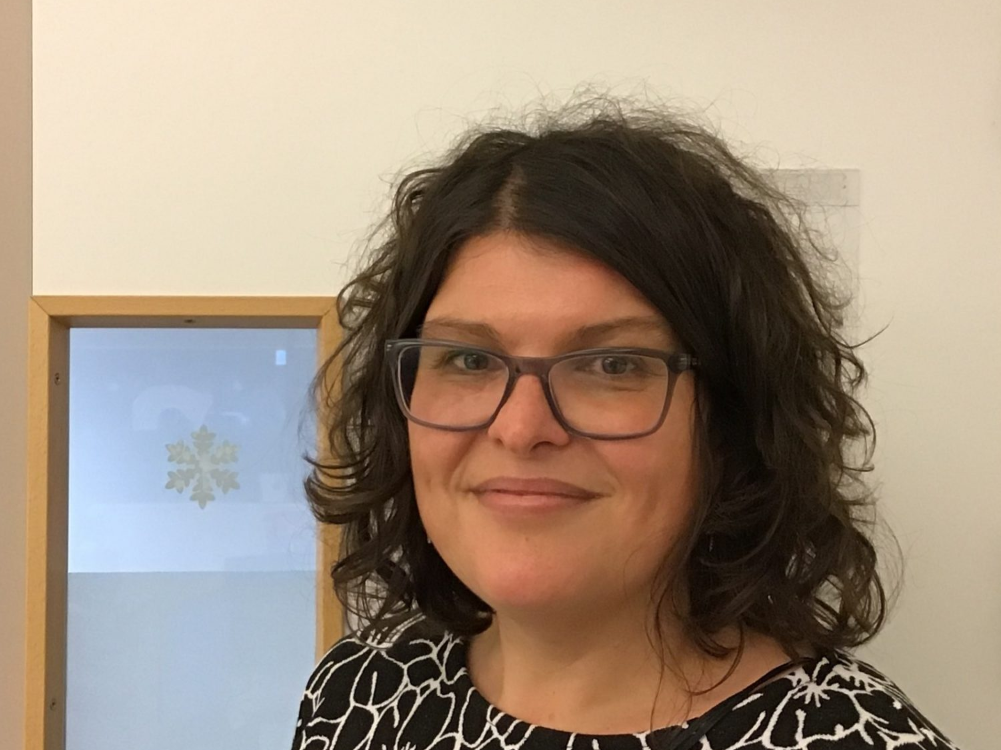
Pictured above: Louise Storie
Neurodiversity Celebration Week: From Awareness to Action
“Neurodiversity” is a word we hear more and more — and thankfully so. It reminds us that every brain processes, senses and communicates differently, and that these differences are a natural and valuable part of being human. But while awareness is growing, real change only happens when we move from knowing about neurodiversity to doing things differently.
That was the topic of our recent webinar for Neurodiversity Celebration Week. In just one hour, we explored how small, practical actions can help organisations become more inclusive for everyone – not just for neurodivergent people, but for the whole workplace community.
Moving from knowing to doing
Inclusion begins with curiosity, respect, and a willingness to reimagine how things are done.
Rather than viewing neurodivergence as a deficit, we focus on difference and strengths. Alongside this, we look at common challenges like sensory overwhelm or difficulty navigating unspoken social rules. This helps us to take a neurodiversity-affirming approach: stop trying to “fix” people and start changing environments.
Listening and learning through lived experience
Talking about inclusion only gets us so far. Understanding what it feels and looks like for neurodivergent colleagues makes the case for action clear. For example, noisy open-plan offices and lengthy, overwhelming video calls can have a significant negative impact, so exploring adjustments can make a world of difference.
We also bust some myths along the way: that neurodivergent people will always ask for adjustments so there’s no need to offer them as standard, or that treating everyone the same is fair. It isn’t – sameness isn’t fairness.
Turning awareness into action
The heart of our session focused on practical change, and we looked at a few of the guiding principles every organisation can apply:
- Assume difference, not difficulty: everyone processes information differently.
- Ask, don’t guess: “What helps you?” goes further than making assumptions.
- Reduce stress and sensory overwhelm: small changes can make a big impact.
- Communicate clearly and flexibly: slower pace, plain language, multiple ways to engage.
We also looked at real examples that can easily be implemented right away, from designing more inclusive meetings to adjusting workspace environments or communication habits.
Small steps, big change
Everyone can pledge one action they can do tomorrow — a concrete next step to start embedding change. This could be offering quieter spaces, sharing agendas in advance, or simply making flexibility the norm. These aren’t grand gestures: they’re thoughtful habits that normalise inclusion and make work better for everyone.
And that’s the real power of moving from awareness to action. When we design workplaces that include neurodivergent people — valuing difference instead of demanding conformity — we build spaces that work for all kinds of minds.
It’s an invitation to start doing things differently, one action at a time.
We’d love to keep the conversation going, so talk to us about making your workplace neuro-inclusive.
Louise Storie is Head of Connect at The Donaldson Trust, The National Body for Neurodiversity.
It is estimated that 1 in 7 people are neurodivergent — that means potentially around 15% of the UK population. These could be your customers, clients, or people you interact with, employ, teach or support —and across a variety of settings in all aspects of life.
Our neurodiversity training, consultancy and advice service helps organisations to create neuro-inclusive environments. To learn more about making your organisation neuro-inclusive, chat to us.
Email the team at: connect@donaldsons.org.uk


